Most homeowners in Toronto do not begin researching replacement windows Toronto because they are curious about window design trends.
They start because something feels wrong.
A persistent draft near the sofa in February. Condensation trapped between panes. Street noise that feels sharper every year. Or heating bills that continue climbing without a clear explanation.
In Toronto, replacing windows is not simply a cosmetic update. It is a performance decision tied directly to insulation, durability, and long term operating costs. The real challenge is not whether to replace them, but understanding which window type performs best in this climate.
This guide examines the most common window styles, how they perform in Toronto’s environment, and which options deliver the strongest balance between energy efficiency, durability, and cost.
Quick Comparison: Popular Replacement Window Types in Toronto
This comparison provides direction, but performance in Toronto depends on more than style alone. Frame material, glass configuration, and installation quality all influence results.
Why Window Type Matters in Toronto
Toronto experiences long freezing winters, frequent temperature swings, humid summers, and dense urban noise. Windows are directly exposed to freeze thaw cycles and strong wind pressure.
Poorly selected windows can lead to:
- Noticeable drafts
- Interior condensation
- Frame warping
- Increased heating demand
Energy efficient windows are not a marketing feature in Toronto. They are a structural necessity.
A well-sealed unit keeps air from leaking out, keeps the temperature inside stable, and makes the whole space more comfortable. Over time, this has a direct impact on energy expenses and the lifespan of the building.
Casement Windows: Best at Keeping Out Air
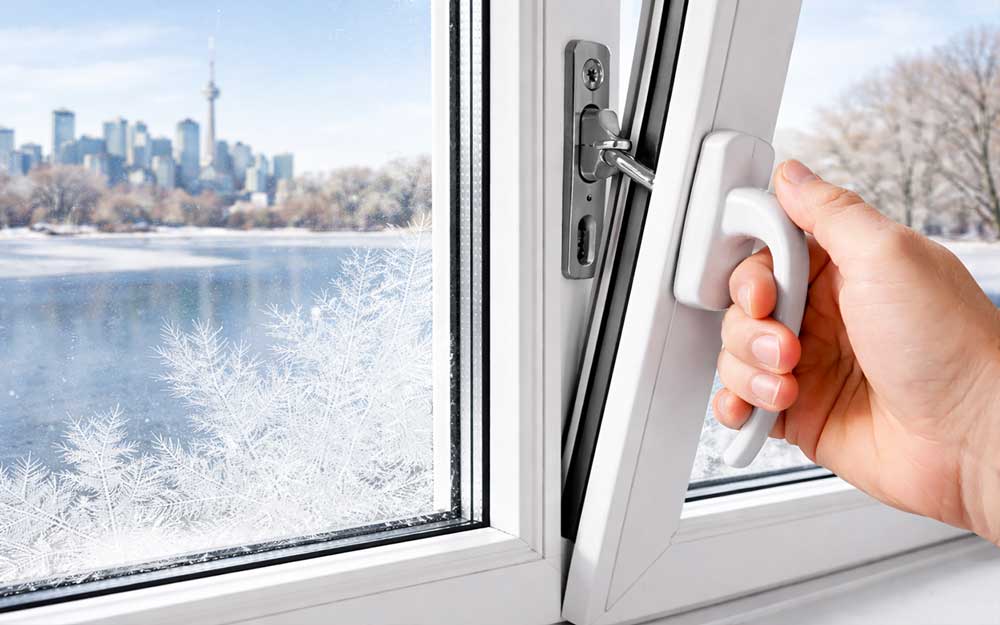
People in Toronto often think that casement windows work well in the city's weather.
They open outward on hinges and close by pushing against the frame. This compression seal works better than sliding designs to keep air from getting in.
This style is good for homes that are near Lake Ontario or in wide suburban regions that are exposed to strong wind corridors. Less air leaking out makes the inside more comfortable in the cold.
While casement units cost more than basic sliding windows, homeowners focused on long term energy savings often find the performance premium justified.
Casement windows are still one of the best choices for homeowners in Toronto who are looking for energy-efficient windows.
Sliding Windows: Simple and Cost-Effective
Sliding windows move along horizontal rails and have fewer moving parts. Because they are so simple, they are cheap and easy to keep up.
You may find them a lot in basements and homes built in the middle of the 20th century in Toronto and the GTA.
Sliding windows, on the other hand, use weather stripping instead of compression sealing. Over time, little amounts of air might seep out, especially in older homes.
Sliding windows are still a good alternative for homeowners who want something that is easy to install and doesn't cost a lot. For maximum insulation, other styles may offer stronger performance.
Double Hung Windows: Traditional and Versatile
Double hung windows remain popular in older Toronto neighbourhoods.
They feature two vertically sliding sashes, allowing flexible ventilation. From a design perspective, they suit traditional architecture well.
Energy performance is generally good, especially when combined with modern double pane or triple pane insulated glass. However, like sliding windows, they do not compress against the frame in the same way casement units do.
For many homeowners, the balance between traditional appearance and functional performance makes double hung windows a reasonable middle ground.
Bay and Bow Windows: Structural and Visual Impact
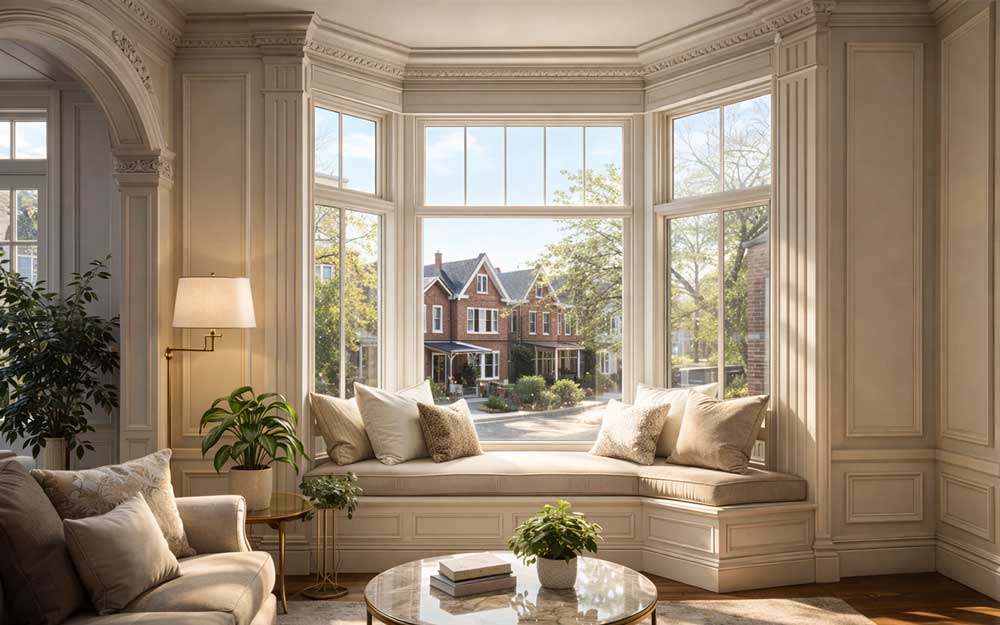
Bay and bow windows extend outward from the building envelope, increasing interior light and visual depth.
In neighbourhoods such as High Park, The Beaches, or East York, bay windows are often central to a home’s architectural character.
Installation is more complex. Structural support, insulation continuity, and exterior finishing must all be managed carefully. Costs are significantly higher than standard replacement windows.
Homeowners usually select bay or bow windows to enhance curb appeal and interior space perception rather than strictly to reduce heating bills.
Vinyl vs Aluminum: Which Lasts Longer?
In Toronto’s residential market, vinyl frames typically outperform aluminum in durability and insulation.
Aluminum conducts heat easily. During winter, this can increase condensation risk and reduce thermal performance unless a high quality thermal break system is present.
Vinyl provides better inherent insulation and handles moisture exposure well. It does not corrode and requires minimal maintenance.
For most residential replacement windows Toronto homeowners choose vinyl for long term reliability. Aluminum remains common in commercial storefront applications, but residential performance requirements differ.
What Windows Reduce Noise?
Urban noise is a growing concern across Toronto.
Glass configuration matters more than style when sound control is the priority. Triple pane glass improves acoustic performance. Laminated glass with specialized interlayers further reduces sound transmission.
Professional installation is critical. Even high performance glass cannot compensate for poor sealing or structural gaps.
For homes near major roads or transit corridors, upgrading glass specification often delivers noticeable improvement in interior quiet.
Are Custom Windows Expensive?
Custom windows increase fabrication time and installation complexity.
Arched shapes, oversized openings, or heritage requirements all increase cost. Lead times can also extend several weeks.
However, in certain Toronto neighbourhoods, architectural consistency and property value justify the investment.
Custom windows are expensive relative to standard units, but in the right context, they support long term resale value and design cohesion.
Which Window Type Is Best for Toronto?
There is no universal answer.
Casement windows generally provide the strongest insulation performance. Sliding windows offer affordability and simplicity. Double hung windows suit traditional aesthetics. Bay and bow windows transform architectural presence.
The best replacement windows Toronto homeowners select depend on exposure, budget, and performance expectations.
In a climate defined by long winters and rising energy costs, energy efficient windows are an investment in comfort and long term stability rather than a cosmetic upgrade.
Frequently Asked Questions About Replacement Windows in Toronto
Are triple-pane windows really worth it in Toronto, or is double-pane enough?
For many suburban homes in Toronto, high-quality double-pane windows with Low-E coating and argon gas perform very well. However, triple-pane windows become more valuable in specific conditions. Homes near busy roads, exposed to strong lake winds, or located in older neighbourhoods with higher heat loss often benefit from the added insulation and acoustic control.
The decision should be based on exposure, not marketing. In some cases, rebates and long-term energy savings can make the upgrade financially reasonable.
How long do replacement windows typically last in Toronto’s climate?
Lifespan depends on material quality and installation precision. Properly installed vinyl windows in Toronto commonly last 20 to 30 years. Higher-end systems can exceed that range.
Extreme freeze-thaw cycles, moisture intrusion, and improper sealing reduce lifespan more than brand choice. Professional installation often matters more than minor specification differences.
Does upgrading windows significantly reduce heating bills in Toronto?
Window replacement improves insulation performance, but the impact depends on the existing condition of the home.
If current windows are drafty, single-pane, or structurally compromised, the reduction in heating demand can be noticeable. In homes that already have relatively modern double-pane systems, improvements may be more gradual.
Windows are one part of the building envelope. Insulation, air sealing, and ventilation also influence total energy performance.
What is the most energy efficient window style for cold Canadian winters?
From a structural standpoint, casement windows typically offer the strongest air seal because they compress tightly against the frame when closed.
However, energy efficiency is not determined by style alone. Glass configuration, spacer technology, and frame insulation all contribute. A well-built sliding window with advanced glazing can outperform a poorly installed casement unit.
Can replacing windows increase home value in Toronto’s real estate market?
In competitive neighbourhoods across Toronto and the GTA, updated energy efficient windows contribute to perceived property value. Buyers increasingly pay attention to heating efficiency, condensation issues, and exterior appearance.
While window replacement alone does not guarantee a specific resale increase, it strengthens buyer confidence and reduces inspection concerns. In many cases, it supports faster sale timelines.
Is winter window replacement safe for Toronto homes?
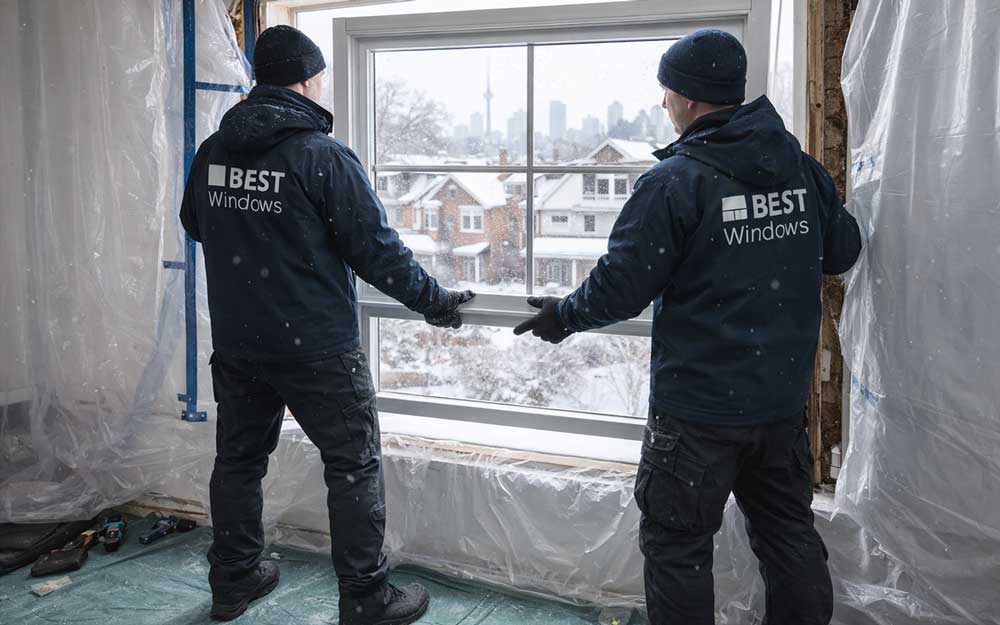
Professional installers regularly perform window replacement during winter months. Temporary insulation barriers are used to limit indoor heat loss during removal and installation.
In some cases, scheduling during off-peak seasons can reduce wait times and provide greater contractor availability. The key factor is installer experience, not the month of the year.