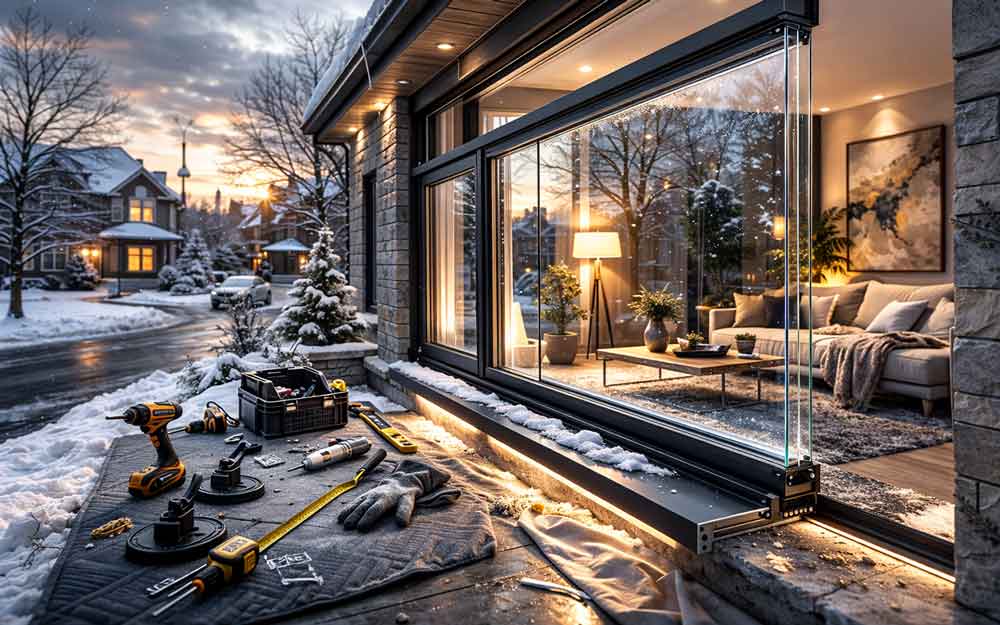

Winter season in the GTA region is more than a nuisance. During winter, there are problems associated with mechanical, structural, and operating issues with aluminum doors commonly seen in business establishments. All these establishments need doors that function effectively. During winter, the doors may be problematic despite being properly installed.
It is essential for owners, facility managers, and business owners to be aware of winter effects on commercial aluminum doors. Identifying methods on how these issues can be avoided and resolved will help sustain everyday operations. The article will assist as it describes common winter issues with commercial aluminum doors and ways to resolve them as per Esna Glass’ 24/7 experience.
Why Aluminum Doors Suffer During Winters
Commercial aluminum doors are made sturdy. However, winter testing stresses these doors. Cold environments, snow and water, changes in temperature, and usage make problems arise. These problems appear more so between December and March.
Thermal Contraction and Alignment Problems
Metal will shrink as it becomes colder. A harsh GTA winter might bring about a change in your door system, no matter how small. Your door frame could shrink slightly, and your moving parts will no longer be so neatly in line. All these factors will make opening and closing your door more difficult, with your hinges, pivots, closers, and locks taking the stress.
Also, an improperly set door will have small gaps that allow entry of cold air. As such, your room will cool, and heating will be tougher and more expensive.
Ice on Tracks and Thresholds
Freezing occurs due to winter moisture near thresholds, tracks, and bottom rails. It occurs at busy store fronts or doors that swing automatically or slide. Ice buildup slows door opening and closing and hastens hardware deterioration.
It will result in door closers, sensors, rollers, or motorized systems wearing out prematurely if not attended to immediately.
Weatherstripping Breakdown
Weatherstripping keeps a business entrance sealed. However, it may harden, crack, and separate from the frame due to low temperatures, air, and water. As a result, it loses its functionality and allows outside air entry, increases heating bills, and entry becomes uncomfortable for customers and employees.
Buildings that require a closely controlled indoor climate, such as medical facilities, eateries, and stores, are most affected.
Salt and Moisture Rust
Salt is used on sidewalks and parking lots in the GTA as a snow remover. It accelerates corrosion on aluminum door sills, base rails, and metal components. Corrosion reduces the strength of these components and affects door functionality.
Additionally, salt increases humidity that penetrates into mechanical components, causing them to become stiff, noisy, or erratic.
Heavier Door Use in Winter
The main door experiences more traffic usage in winter because patio doors and secondary doors remain closed. Consequently, main door usage increases, causing wear and tear on door hinges, closers, and locks.
Buildings with auto-swing and automatic sliding doors also have more cycles and thus require more checks and maintenance.
Ready to get your custom glass solution? Start your glass upgrade with a simple click.
Let’s Begin
Typical Winter Issues Found on Commercial Aluminum Doors
Property managers in Toronto and surrounding regions experience identical problems with doors during winter. All these problems resurface as maintenance jobs and will not be eliminated unless a technician addresses them.
Door Won't Close Fully
Cold weather thickens hydraulic fluid that would normally control door closers. A hard door closer will slow or prevent closing. A door that stays slightly ajar represents an energy waste and an open security risk.
Door Glass Rattles or Feels Loose
Changes in temperature might cause metal frames to move slightly and result in loosening. Even without any breakage, rattling signals that either the gasket or glazing bead becomes loose.
Door Handles and Locks Freeze
Water and low temperatures might freeze components within locks. Cold mornings might make locks hard to turn or not turn at all.
Automatic Doors Act Unpredictable
Sensors can incorrectly detect movement because of condensation or ice. The motors on doors have problems due to lubrication being thickened because of cold air.
Condensation on Glass Panels
A warm indoor and cool outdoor temperature difference produces condensation on glass. It might be normal for winter, but excessive condensation could be an indication of insulation and sealing issues.
Fixing and Preventing Winter Door Issues
Winter issues don’t have to impact your business. By taking the necessary steps, you can maintain smooth and secured entrance operations throughout winter.
Solutions provided here are from Esna Glass's commercial door experts.
1. Pre-Winter Preventive Maintenance Scheduling
It ensures that doors are properly aligned, their hinges are lubricated, weather stripping is working properly, and automatic sensor functions are operating. Maintenance should be done before problems occur.
2. Improve Weatherstripping and Door Seals
New weatherstripping reduces drafts and conserves energy. A new seal will also prevent water from seeping inside and ice from forming.
3. Adjust or Replace Faulty Door Closers
Closers should be set for winter. Esna Glass technicians alter tension and hydraulic values for winter settings. It would be advisable to replace closers that are worn out.
4. De-ice Tracks and Thresholds
Remove ice from entryways for automatic doors and manually operated doors. Check for ice daily; it may melt and then refreeze at night. Esna Glass can coat these surfaces to make ice less sticky.
5. Replace Damaged or Corroded Hardware
Damage from salt will start weakening your door pivots, hinges, and thresholds. You should replace defective components. Hardware upgrades will also prove useful in upcoming winter season.
6. Automatic Door Calibration
Automatic doors have to be calibrated as per season. Calibration done in winter will make sure that the sensor, motor, roller, and control perform effectively even in winter.
7. Upgrading to Energy-Efficient Glass and Frames
Insulated Glass Units and thermally broken aluminum frames reduce heat loss, lower energy costs, and improve comfort during winter months at entrance doors. You may still have single-pane doors. It would be a worthwhile investment to replace them.
8. Use 24/7 Emergency Service
Winter breaks can occur unexpectedly. A broken door, broken glass, and an ineffective automatic door can bring business to a standstill. Esna Glass prides itself on offering rapid response services within Toronto, Mississauga, Brampton, and surrounding regions to make your premises secure.
Need fast, reliable commercial door service this winter? Your solution is one click away.
Let’s Fix It
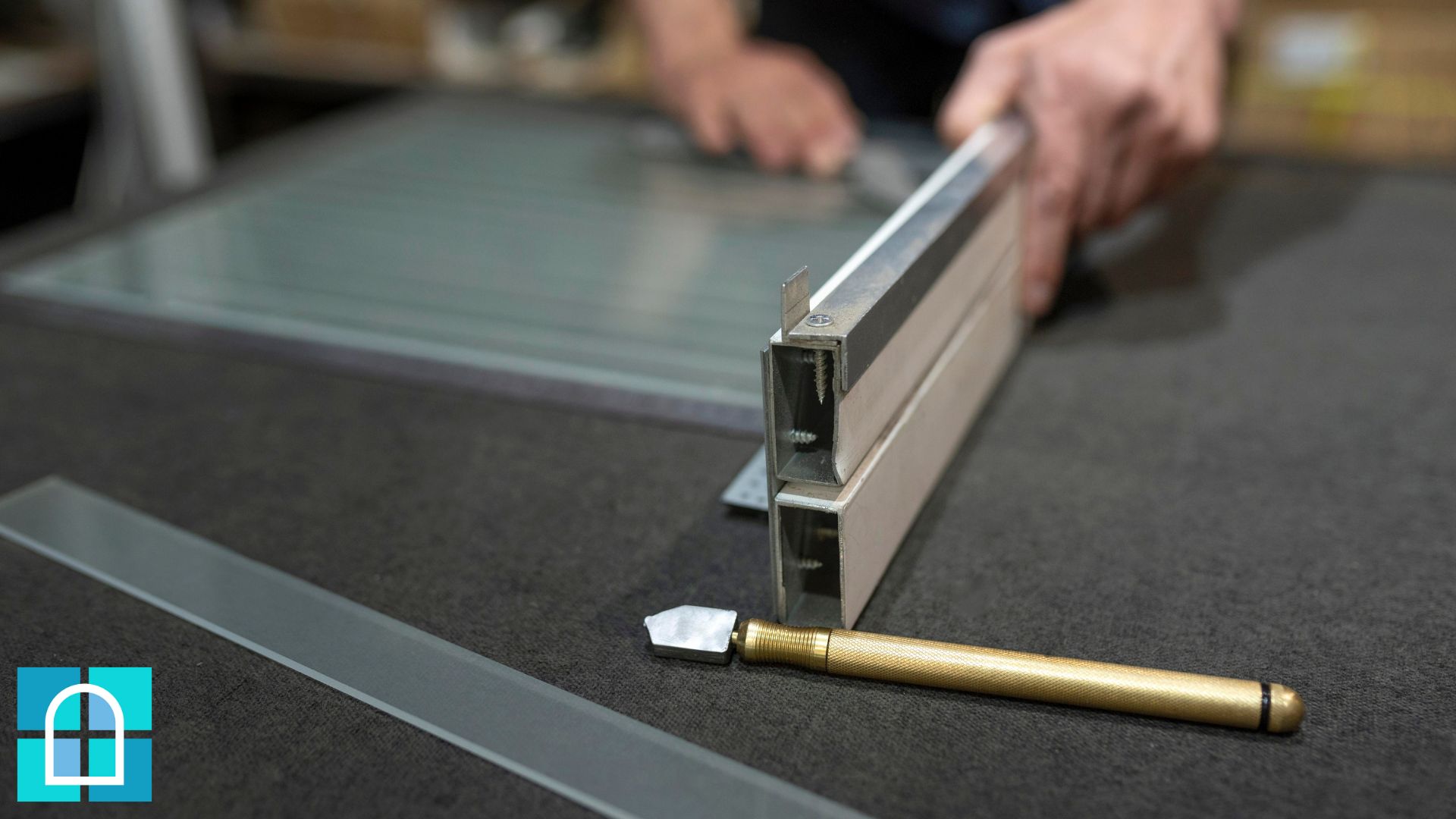
Why Professional Repair Matters More in Winter
Quick repair methods appear easy, but commercial aluminum doors cannot be worked on with imprecise methods. Moreover, untrained repair work might end up causing more harm, particularly during winter.
Professional Door Service:
- Extends Hardware Life
- It increases heating efficiency.
- Eliminates recurring alignment issues
- Ensures security compliance
- Protects glass
- Reduces Downtime
Esna Glass specialists adhere to manufacturer guidelines for a variety of commercial door types, including aluminum storefront doors, Pivot Hinge Systems, Hydraulic Closers, Automatic Sliding Doors, and Tempered/Laminated Glass.
How Esna Glass Assists Commercial Clients During Winters
Esna Glass & Aluminum Offers Reliable GTA Commercial Door Repair Services. The company has more than a decade of experience and understands what winter conditions are like within this region.
Key benefits:
- 24/7 Emergency Commercial Door and Glass Repair
- Fast dispatch teams in Toronto, Mississauga, Brampton, and Vaughan
- Expertise with heavy-duty aluminum storefront systems
- Solutions for automatic and manual doors
- Durable materials for Canadian winters
- Glass replacement and fabrication at customer site
- Cost transparency and consistent service times
Esna Glass is committed to ensuring local businesses remain safe, warm, and fully functional no matter how harsh winter becomes.
Final Recommendations for Business Owners
To prevent winter emergencies and maintain a smooth entry for customers and employees, these should be done:
- Schedule winter prep door check
- Replace weatherstripping before it becomes too cold
- Clear thresholds and tracks from ice
- Automatic sensor recalibration for winter
- Check Glass for Cracks or Loose Gaskets
- Check that locks and handles operate properly
- Contact 24/7 Emergency Repairs as necessary
Easy preventive measures will save time, money, and downtime.
📞 Call Us Now: +1 647-219-6390
Fast Arrival | Professional Repair | Commercial-Grade Quality
Esna Glass is always ready—any time, any day, anywhere in the GTA.