.jpg)
Fire safety is one of the most critical considerations in modern building design. For commercial properties, multi-unit buildings, and high-traffic spaces, fire-rated glass and doors play a vital role in protecting lives, limiting property damage, and meeting building code requirements.
Unlike standard glass or doors, fire-rated systems are designed to withstand extreme heat and prevent the spread of flames and smoke for a specific period of time. For architects, builders, and commercial property owners in Toronto and across the GTA, understanding how fire-rated glass and doors work is essential for compliance, safety, and long-term risk management.
This guide explains what fire-rated glass and doors are, why they matter, how they are regulated, and what to consider when installing them in commercial buildings.
What Is Fire-Rated Glass and Why Is It Important?
Fire-rated glass is a specially engineered type of glazing designed to resist fire, heat, and smoke for a tested and certified duration. When installed as part of a complete fire-rated door or wall system, it helps contain fire within a specific area of a building.
The primary purpose of fire-rated glass and doors is life safety. By slowing the spread of fire, these systems provide occupants with valuable time to evacuate and allow emergency responders to access the building safely. In commercial environments such as offices, retail spaces, warehouses, and multi-unit residential buildings, this time can make a critical difference.
Fire-rated glass also supports property protection. By compartmentalizing fire, it reduces the extent of damage and helps prevent a small incident from turning into a full-building loss. In addition, fire-rated systems are often required by building codes, making them a legal necessity rather than an optional upgrade.
Types of Fire-Rated Glass and Doors
Fire-rated glass and doors are not one-size-fits-all products. Different applications require different levels of protection, and understanding the available options helps ensure the right system is selected.
Fire-rated glass is typically classified based on how long it can withstand fire exposure. Common ratings include 20, 45, 60, 90, and 120 minutes. The rating indicates how long the glass can resist flames and, in some cases, radiant heat.
Some fire-rated glass products are designed to block flames and smoke only, while others also limit heat transfer. This distinction is especially important in areas where people may be close to the glass during a fire.
Fire-rated doors are complete assemblies that include the door slab, frame, glazing, hardware, and seals. These doors are tested as a unit to ensure performance during a fire. Commercial fire doors are commonly made from steel or other non-combustible materials, and for high-traffic buildings, Hollow Metal Door Installation & Repair services ensure these units meet necessary durability standards.
Choosing the correct combination of fire-rated glass and doors depends on the building layout, occupancy type, and code requirements.
What Is GPW Fire-Rated Glass and What Are Its Benefits?
GPW (Georgian Polished Wire) glass, often referred to as GPW fire-rated glass, is a specialized type of fire-rated glazing designed to provide reliable fire protection while maintaining clarity and architectural flexibility. GPW typically stands for a category of fire-protective wired or specialty fire-rated glass, depending on the manufacturer and certification standard.
This type of glass is engineered to resist fire, flames, and smoke for a defined period of time, making it suitable for many commercial and institutional fire-rated applications.
One of the key advantages of GPW glass is its balance between fire safety and cost efficiency. Compared to more advanced fire-resistive glazing systems, GPW glass often offers a practical solution for areas where fire protection is required, but radiant heat resistance may not be mandatory under building code regulations.
GPW fire-rated glass is commonly used in fire-rated doors, interior windows, partitions, and vision panels. It allows light to pass through while still contributing to fire compartmentalization within a building. This makes it a popular choice in offices, retail spaces, corridors, stairwells, and utility areas.
Another benefit of GPW glass is its code recognition. When properly certified and installed as part of an approved fire-rated assembly, GPW glass can help buildings meet Ontario Building Code and other applicable fire safety standards. However, it is important to note that GPW glass must always be used within its tested limitations and paired with compatible frames and hardware.
From a design perspective, GPW glass supports functional transparency without compromising safety. While it may not provide the same level of heat insulation as fire-resistive glass, it remains a dependable option for many fire-rated door and window applications where visibility and compliance are the primary goals.
For architects, builders, and commercial property owners, GPW glass represents a reliable entry-level fire-rated glazing option that meets safety requirements while keeping projects on schedule and within budget.
Fire Safety Regulations and Building Codes
Fire-rated glass and doors are governed by strict safety standards and building codes. In Ontario, these requirements are outlined in the Ontario Building Code (OBC), which specifies where fire-rated assemblies are required and what ratings they must meet.
Building codes define fire separations between different areas of a building, such as corridors, stairwells, mechanical rooms, and exits. Fire-rated glass and doors are often required in these separations to maintain visibility while still providing protection.
Compliance is not limited to the glass alone. The entire system, including frames, hardware, and installation methods, must meet code requirements. Even a certified fire-rated product can fail inspection if installed incorrectly.
For architects and builders, working with experienced professionals ensures that fire-rated installations meet all applicable codes and pass inspection without delays. For property owners, compliance reduces liability and improves overall building safety.
Need fire-rated glass or doors installed to code? Protect your building and stay compliant with expert installation.
Get Your Fire-Rated Installation Quote
Installing Fire-Rated Glass and Doors in Commercial Buildings
Proper installation is just as important as product selection. Fire-rated glass and doors must be installed according to manufacturer specifications and code requirements to perform as intended.
Installation begins with a detailed assessment of the building’s fire safety plan. This includes identifying required fire separations, determining appropriate fire ratings, and selecting compatible products.
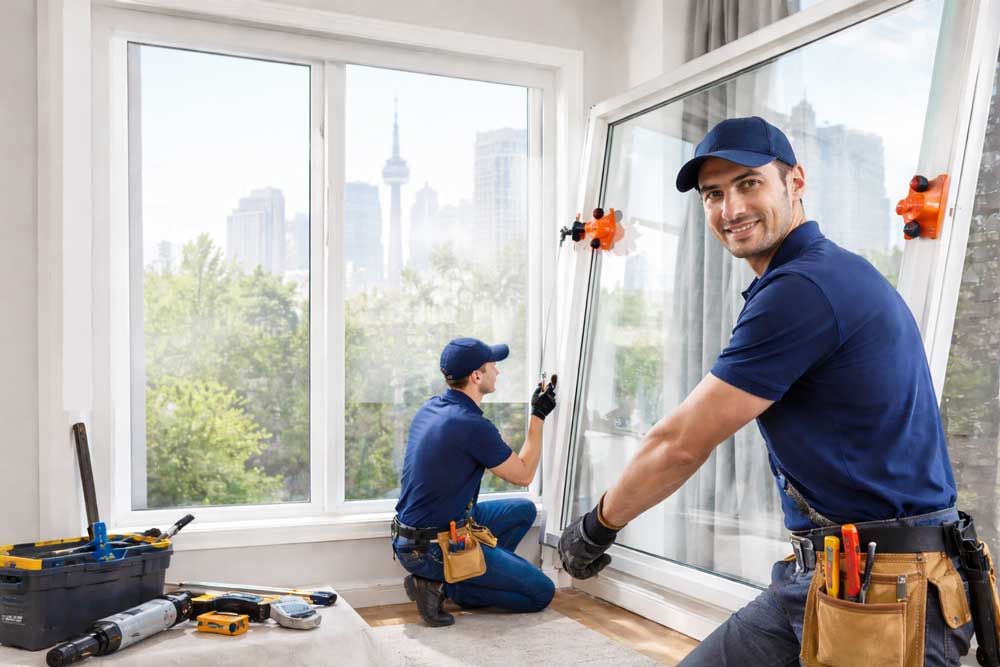
Precision during installation is critical. Gaps, incorrect fasteners, or incompatible hardware can compromise the integrity of the fire-rated assembly. For this reason, fire-rated window and door installation should always be handled by trained professionals with experience in commercial projects.
In the GTA, commercial properties often undergo inspections by local authorities. Professional installation reduces the risk of failed inspections, costly rework, and project delays.
Common Applications of Fire-Rated Glass and Doors
Fire-rated glass and doors are widely used across commercial and institutional buildings. Office buildings rely on them for corridor and stairwell protection while maintaining visibility and natural light.
Retail spaces often use fire-rated glass in storefronts located within fire-rated walls, balancing safety with design. Industrial and warehouse facilities depend on fire-rated doors to separate high-risk areas from occupied spaces.
Multi-unit residential buildings also benefit from fire-rated doors in shared hallways, mechanical rooms, and exits, enhancing safety for residents and visitors alike.
Each application requires careful planning to ensure the correct fire rating and product configuration is used.
Fire-Rated Glass vs. Standard Glass
Standard glass is not designed to withstand fire and will typically break quickly under high heat. Fire-rated glass, by contrast, is tested to remain intact and perform its protective function during a fire.
While fire-rated glass may appear similar to standard glass, its internal structure and manufacturing process are entirely different. This makes it more expensive, but also far more effective in safety-critical applications.
Using standard glass where fire-rated glass is required can result in code violations, increased risk, and serious liability issues.
Maintenance and Long-Term Performance
Fire-rated glass and doors require ongoing maintenance to ensure continued performance. Regular inspections help identify issues such as damaged seals, misaligned doors, or compromised hardware.
Any repairs or replacements must use compatible, fire-rated components. Substituting non-rated hardware or glass can void the fire rating of the entire assembly.
For commercial property owners, partnering with a professional service provider ensures that fire-rated systems remain compliant throughout their lifespan.
Why Fire-Rated Systems Matter for Commercial Properties
Fire-rated glass and doors are not just about meeting regulations. They represent a commitment to safety, responsibility, and professional building management.
For architects and builders, they enable compliant designs without sacrificing aesthetics. For property owners, they reduce risk and enhance long-term value.
Choosing the right fire-rated system, installed correctly, is an investment in both safety and peace of mind.
📞 Call Us Now: +1 647-219-6390
Fast Arrival | Professional Repair | Commercial-Grade Quality
Esna Glass is always ready—any time, any day, anywhere in the GTA.
FAQ: Fire-Rated Glass and Doors
What is fire-rated glass?
Fire-rated glass is a type of safety glazing designed to resist fire, flames, and smoke for a specified period of time, helping contain fire and protect occupants.
How long does fire-rated glass protect a building in a fire?
Fire-rated glass is available in different ratings, typically ranging from 20 minutes to 120 minutes, depending on the product and application.
Ready to upgrade your building’s fire safety? Get expert advice and professional installation you can trust.
Book My Fire-Rated Glass & Door Quote