Choosing the right entrance door is more than a design decision. It affects how people move through a space, how secure the property feels, and how efficiently the building functions day to day. For homeowners, property managers, and architects across Toronto and the GTA, one of the most common questions is whether sliding doors or swing doors are the better option for an entrance.
Both door types are widely used in residential and commercial buildings, yet they serve different purposes. The right choice depends on available space, traffic flow, accessibility needs, climate considerations, and long-term maintenance expectations. This guide breaks down the real-world advantages and limitations of sliding doors and swing doors, helping you make a confident, informed decision.
Understanding Entrance Door Functionality
Entrance doors do more than separate inside from outside. They guide movement, influence first impressions, and often play a role in energy efficiency and security. In busy commercial environments, doors must withstand constant use without compromising safety. In residential settings, comfort, aesthetics, and ease of use tend to take priority.
Sliding doors and swing doors approach these goals in different ways. Understanding how each system works in practice is the first step toward choosing the best solution.
The Pros and Cons of Sliding Doors
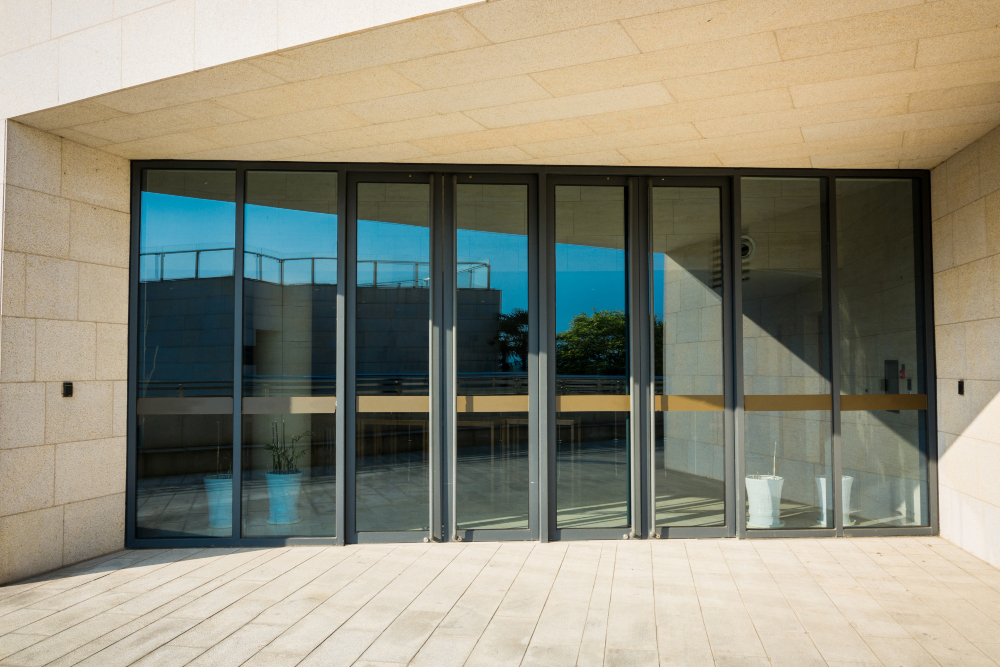
Sliding doors operate by moving horizontally along a track, rather than opening inward or outward. They are commonly used in modern residential designs, retail storefronts, offices, and commercial entrances where space efficiency is critical.
Space-Saving Benefits
One of the strongest advantages of sliding doors is their ability to save space. Because the door panel moves parallel to the wall, there is no swing radius to consider. This makes sliding doors especially valuable in tight entryways, narrow corridors, or areas where furniture placement would interfere with a traditional door.
In commercial settings, sliding doors help maintain clear pathways, which is particularly important for accessibility compliance. Wheelchairs, strollers, and carts can pass through smoothly without obstruction, making sliding doors a practical choice for retail stores, clinics, and office buildings across the GTA.
Aesthetic Appeal and Functionality
Sliding doors often create a clean, modern appearance. Large glass panels allow natural light to flow into interior spaces, improving visibility and creating a more open feel. For storefronts, this transparency enhances product visibility and encourages foot traffic.
Functionally, automatic sliding doors offer hands-free operation, which improves convenience and hygiene in high-traffic environments. However, even manual sliding doors provide a smooth user experience when installed and maintained correctly.
That said, sliding doors rely on tracks and rollers, which require regular inspection. Dirt, ice, or debris—common issues during Toronto winters—can affect performance if not properly maintained.
The Pros and Cons of Swing Doors
Swing doors are the most traditional entrance option. They open inward or outward on hinges and are widely used in homes, offices, and commercial buildings of all types.
Traditional Look and Durability
Swing doors offer a classic appearance that works well in both modern and traditional designs. They can be constructed from a wide range of materials, including aluminum, steel, wood, and glass combinations, allowing for flexibility in design and security.
From a durability standpoint, swing doors are mechanically simple. With fewer moving parts than sliding systems, they are often easier to repair and less sensitive to environmental debris. This makes them a reliable choice for exterior entrances exposed to snow, ice, and temperature fluctuations.
Installation and Maintenance Considerations
Swing door installation is generally straightforward, which can reduce initial costs. Hinges, frames, and locks are widely available and familiar to most installers, simplifying future repairs or upgrades.
However, swing doors require adequate clearance to operate properly. In small entryways or busy commercial spaces, the door’s swing path can interfere with foot traffic or interior layouts. In high-traffic areas, improperly managed swing doors may also increase the risk of collisions or wear on hinges.
Need expert advice before you decide? Start your door upgrade with a simple click.
Show Me the Form
Comparing Sliding Doors and Swing Doors in Real-World Use
While specifications matter, real-world performance is often the deciding factor. Each door type performs differently depending on how and where it is used.
Sliding doors excel in environments where traffic flow must remain uninterrupted. In retail stores, medical offices, and commercial buildings, they reduce congestion and improve accessibility. They are also ideal when maximizing interior space is a priority.
Swing doors, on the other hand, provide a sense of solidity and control. They are often preferred for private residences, offices with controlled access, and areas where insulation and sealing are critical. With proper weatherstripping, swing doors can offer excellent thermal performance during harsh winters.
Which Door Type Is Best for Your Space?
Choosing between sliding doors and swing doors ultimately comes down to how the entrance will be used.
For Small Spaces
In compact areas, sliding doors are often the better option. They eliminate the need for clearance and allow designers to use every square foot efficiently. This is especially helpful in condos, retail units, or renovated properties where space is limited.
For High-Traffic Areas
High-traffic entrances benefit from doors that manage flow smoothly and safely. Automatic sliding doors are commonly used in commercial buildings for this reason. They reduce bottlenecks and support accessibility standards.
Swing doors can still work in busy environments, but they must be properly sized, reinforced, and maintained to handle frequent use. In some cases, double swing doors are used to accommodate higher volumes of traffic.
Cost Considerations: Installation and Long-Term Value
Initial cost is an important factor, but it should not be the only one. Sliding doors typically have higher upfront installation costs due to track systems, automation options, and precision alignment requirements. However, they may offer long-term value through improved accessibility and modern appeal.
Swing doors are often more affordable to install and maintain, especially for smaller projects. Replacement parts are readily available, and repairs are usually straightforward. For property owners focused on budget control, swing doors remain a practical and reliable choice.
Climate and Maintenance in the GTA
Toronto’s climate plays a significant role in door performance. Snow, ice, and temperature swings can affect both door types if they are not properly installed and maintained.
Sliding doors require clean, well-maintained tracks to operate smoothly during winter. Professional installation and periodic servicing help prevent freezing or alignment issues.
Swing doors depend heavily on proper sealing. High-quality weatherstripping and regular inspections are essential to prevent drafts and heat loss. When maintained correctly, swing doors can perform exceptionally well in cold conditions.
Final Thoughts
There is no single “best” entrance door for every building. Sliding doors and swing doors each offer distinct advantages, and the right choice depends on how the space is used, how much traffic it receives, and what level of maintenance the owner is prepared to manage.
For residential properties, swing doors often provide simplicity and comfort. For commercial environments, sliding doors offer efficiency, accessibility, and modern appeal. In both cases, professional installation and expert guidance make a significant difference in long-term performance.
📞 Call Us Now: +1 647-219-6390
Fast Arrival | Professional Repair | Commercial-Grade Quality
Esna Glass is always ready—any time, any day, anywhere in the GTA.
FAQs
Which is better for saving space: sliding or swing doors?
Sliding doors are generally better for saving space because they do not require clearance to open. This makes them ideal for small or crowded entryways.
Can sliding doors be used for exterior entrances?
Yes, sliding doors are commonly used for exterior entrances, especially in commercial buildings. With proper installation, high-quality glass, and weather-resistant components, they perform well in outdoor conditions.
Need fast, reliable door installation now? Ready to replace or upgrade your entrance doors?
Book My Service Request in 1 Click